Heritage and everyday life
The Baltic coast has long connected fishing grounds, ports, islands and inland markets. Maritime knowledge can include boat handling, weather reading, net repair, shore access and the timing of local work. It is not a single shared tradition. Practices differ between communities, languages and generations.
Some visible customs survive as active work; others are remembered through collections, local interpretation or family stories. Make the distinction clear. A historic object in a display is not evidence that the same practice continues unchanged today.
Fishing, boats and coastal livelihoods
Fishing has shaped many settlements, but coastal economies have never depended on one activity alone. Small-scale fishing, processing, boat repair and related trades may coexist with forestry, agriculture, port work, public services and seasonal visitor activity. The balance changes over time and between shores.
Traditional boat forms are connected to local waters, materials and working needs. Do not assume that a boat on display represents every neighbouring village. If a harbour is active, keep clear of equipment, mooring lines and work areas. Ask before photographing people at work.
Craft and material knowledge
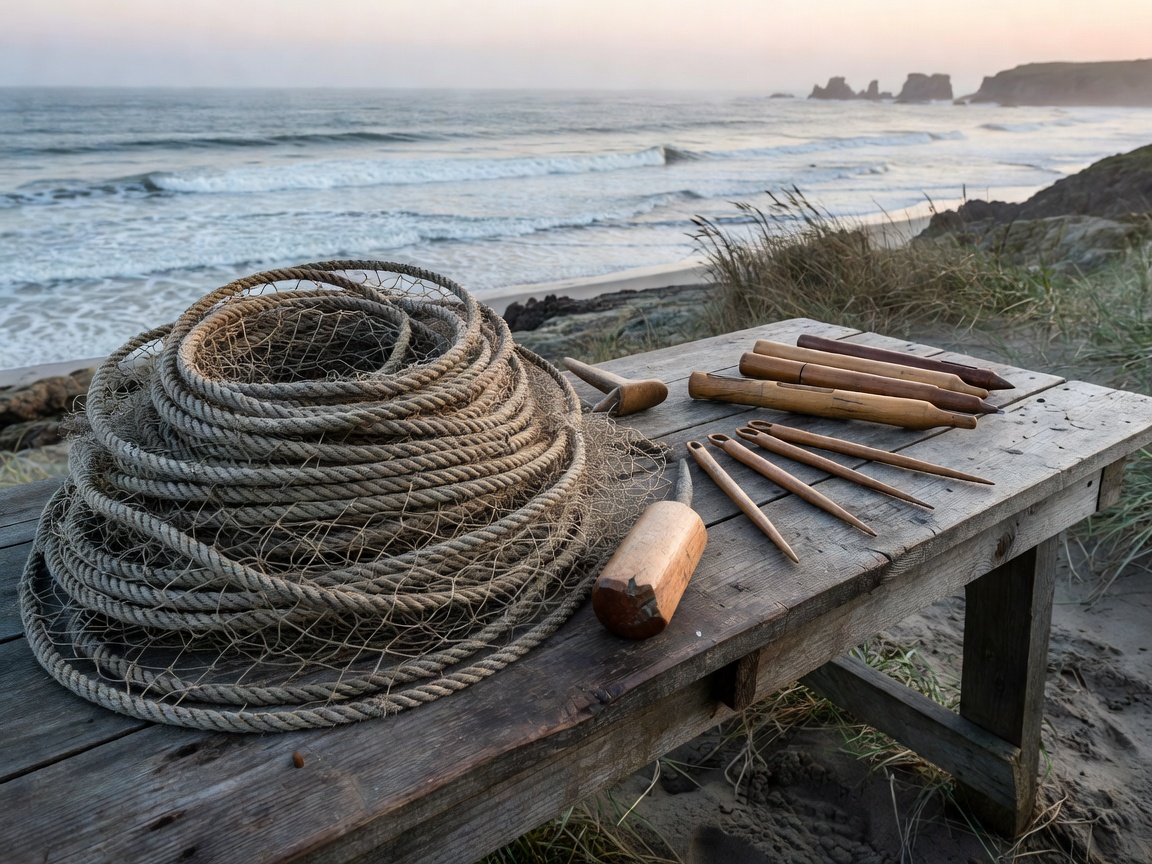
Coastal craft may draw on wood, fibre, metal, netting and materials gathered or traded inland. Repair can be as culturally significant as making. Look for the practical purpose behind a finished object: weather protection, storage, transport or work at the water’s edge.
When visiting a workshop or community space, check whether it is open to visitors and follow its own rules. Purchase only from businesses that identify what they make and how it is produced. Avoid presenting a craft as timeless or universal when it belongs to a particular local context.
Seasonal gatherings and shared places
Communities may mark seasonal change, local history or religious and civic occasions. Names, calendars and forms vary. We do not list unverified event dates or assume that a gathering is intended for visitors. Consult municipal and local cultural sources for current public information.
Everyday community spaces can include a harbour edge, market area, hall, churchyard, library or sports ground. These places are not automatically tourist attractions. Observe quietly, respect access signs and avoid interrupting private events.
Regional differences matter
Estonian, Latvian and Lithuanian coastal identities are distinct, as are the cultures of Finland, Sweden, Denmark, Germany and Poland. The Baltic Sea has also linked communities through trade, migration, conflict and political change. Shared maritime conditions do not erase those histories.
Even within a country, an island community may differ from a port town or a mainland village. Language and local memory can be especially specific. Use local names where provided, and avoid treating one custom as representative of an entire nation.
Good for
Use these notes when visiting small museums, local craft spaces and working harbours; when writing about maritime history; or when planning a respectful community visit. They are also a reminder to leave space for ordinary life that is not organised for visitors.
What to know
- Ask before taking close-up photographs of people, homes or work.
- Check whether public events welcome visitors before attending.
- Do not describe a historical practice as current without local confirmation.
- Buy locally only where the maker or seller is clear about the product.
For built context, continue to architecture and harbours. For local foodways, see food and village life.