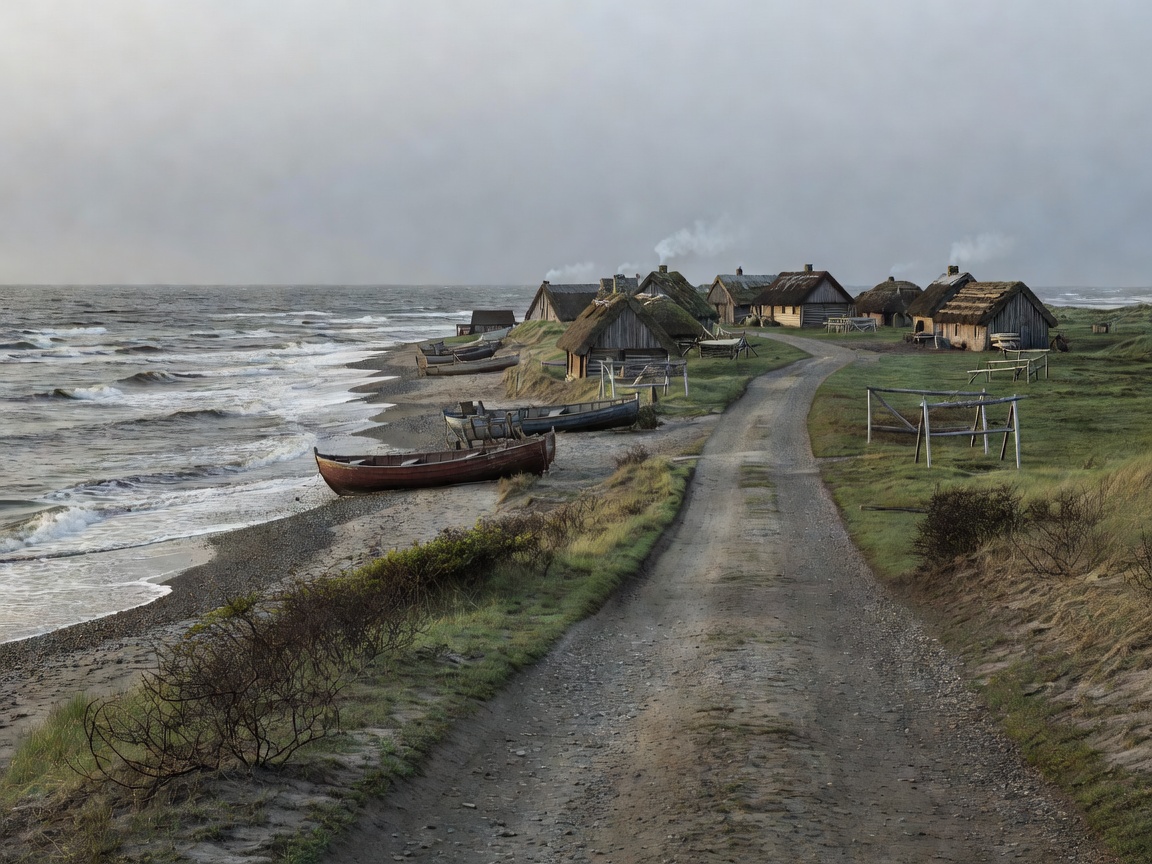
Choose a place by its character
Start with what you want to observe: a harbour settlement, an island community, a sandy shore, a wooded coast or a village street. Then identify the country and local region. This matters because transport systems, languages, services and access rules differ around the Baltic Sea.
Make a shortlist based on realistic access and the type of place you want to experience. Avoid trying to cover several distant coasts in a short visit. Allow time for weather changes, transport connections and unplanned service gaps.
Build a route with current transport information
Transport options can include rail, regional buses, local services, road links and, in some places, boat connections. Availability and operating arrangements change. Check the relevant operator or local authority for current routes, service notices, accessibility information and booking requirements.
Do not rely on an old timetable or assumed connection. Leave a buffer between services and consider an alternative if a transfer is delayed. If travelling to an island, confirm the current route and any seasonal conditions directly with the operator. We do not provide schedules, prices or journey times.
Compare seasons without assuming a quiet coast
Season affects daylight, wind, temperature, service availability and visitor numbers. Summer may bring longer daylight and more seasonal activity, while shoulder periods can mean reduced services. Winter conditions can change walking surfaces and transport reliability. Local patterns vary by latitude and location.
Choose travel dates only after checking current conditions and opening arrangements for the places you plan to use. A small food business, accommodation provider or visitor site may not operate year-round. Confirm booking and cancellation terms directly with the provider.
Prepare for coastal walking and weather
Coastal paths may be sandy, muddy, rocky, exposed or interrupted. Use footwear appropriate to your route and carry water, weather protection and a charged phone. Download or carry route information if mobile coverage is uncertain. Do not assume that all shore access is public or that every path is maintained.
Check local weather forecasts and warnings before departure. Wind, rain and changing sea conditions can affect comfort and safety. Keep away from unstable cliffs, dune faces, sea defences and wave-washed edges. Turn back if conditions exceed your experience.
Accommodation, food and practical needs
Research accommodation from the provider’s own current information. Confirm location, access, check-in arrangements and cancellation terms before booking. This guide does not recommend or verify individual businesses.
Plan food provision honestly. In a small settlement, services may be limited or seasonal. Check opening details directly, carry essentials for longer stretches and identify a suitable service centre for important supplies. If you have access, mobility or dietary requirements, contact providers in advance.
Respect residents and working places
Coastal villages are lived-in communities. Keep noise low, follow parking signs, avoid blocking driveways and respect private property. Harbours may be active work sites. Do not touch gear, board boats or cross restricted areas.
Ask permission before photographing residents, children, private homes or work in progress. Follow local photography restrictions where posted. Use established paths, take waste away and avoid disturbing wildlife or vegetation.
Good for
This checklist suits independent travellers, walkers and anyone building a multi-stop route around smaller coastal settlements. It is designed to help you ask better questions, not to replace a live booking or safety source.
What to know
- General advice is not current travel information.
- Verify transport, access, accommodation and opening details with providers.
- Keep plans flexible and allow a practical alternative.
- Follow local instructions and emergency guidance.
Start with the village guide, then compare landscape types and local food provision.
MAKE A FIELD PLAN