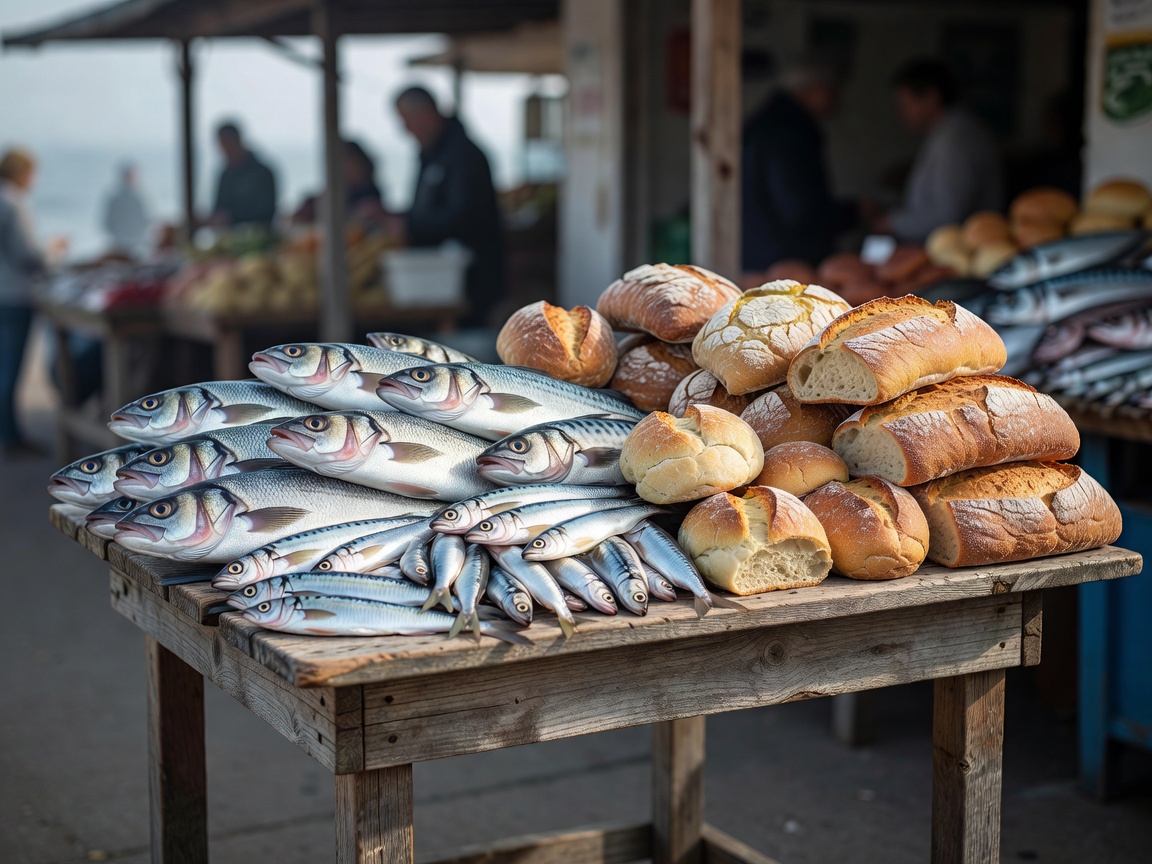
Food follows place and season
Food in a coastal village can reflect nearby waters, farms, forests and trade routes. Fish may be important, but it is not the whole diet and is not equally available in every settlement. Local supply changes with season, regulation, weather and the businesses operating at a given time.
Ingredients associated with a coast can include fish, potatoes, rye and other grains, dairy, berries, mushrooms and preserved produce. These are broad regional food categories, not a guaranteed local menu. Ask about ingredients and preparation if you have dietary needs.
Fish traditions and preservation
Smoking, salting, drying, pickling and other preservation methods have been used in different forms around northern Europe. Recipes and names vary across countries and communities. A familiar technique does not mean that a dish is identical from one shore to another.
Fishing heritage also changes with contemporary livelihoods and regulation. Some places retain active landing and processing work; others have a smaller connection to commercial fishing. Do not assume a waterfront settlement sells its catch to visitors. Look for clear business information and respect working areas.
Seasonal produce and local supply
Seasonal vegetables, fruit, berries and mushrooms may appear in home cooking or local retail depending on location and time of year. Growing conditions differ between northern and southern parts of the region. Some small businesses operate only during particular periods; others serve residents year-round.
Village markets and direct sales can be useful ways to encounter local products, but availability, dates and opening arrangements change. Check official local listings or contact the seller before making a trip around a market. We do not publish unverified schedules, prices or restaurant names.
Bakeries, cafés and small food businesses
A bakery, café, shop or seasonal food counter can be part of village infrastructure as much as a visitor stop. Opening hours may be limited, and the nearest option may be outside the settlement. Avoid planning a remote day around an assumption that a business will be open.
When dining, follow the venue’s local ordering and payment practices. Ask before photographing staff, customers or private dining spaces. If language presents a barrier, a concise written question about ingredients or dietary needs can help. Do not treat a small business as a guaranteed service point.
Regional differences at the table
The Baltic region includes the Baltic states and neighbouring countries around the sea. Estonian, Latvian and Lithuanian food cultures are distinct; Finland, Sweden, Denmark, Germany and Poland have their own regional histories and habits. Coastline, agriculture, migration and trade all contribute to variation.
Even within a country, island and mainland food supplies can differ. A port town, fishing village and inland market centre should not be described as sharing one standard cuisine. Use local product names where the seller provides them and avoid flattening regional dishes into a single “Baltic” category.
Good for
These notes help with realistic food planning, cultural observation and respectful visits to local businesses. They are especially useful when travelling beyond larger towns, where choice and operating days may be less predictable.
What to know
- Confirm current business hours directly before travelling.
- Carry food and water when services are uncertain.
- Ask about ingredients rather than relying on a dish name alone.
- Support local makers without assuming every product is locally sourced.
Learn about coastal culture and use the planning guide to build a flexible itinerary.